Return to the memorable fragrance of northern mornings
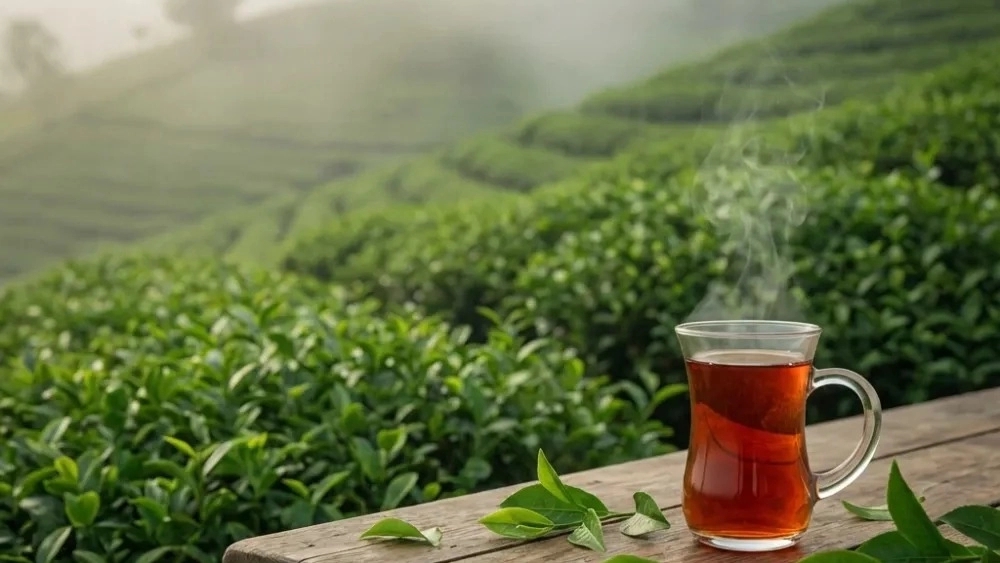
Have you ever opened a window facing the foothills of Gilan on a cool May morning and the amazing aroma of tea bushes filled your whole being? That vague, mild and lively fragrance that has nothing in common with the colorful and essential-scented packages in stores.
We at "Chapar" believe that most Iranian people, unfortunately, have not yet experienced the real taste of Iranian tea. Our markets are full of foreign teas that have changed our taste with perfume and artificial coloring. But if you once, just once, taste the taste of real "spring tea" irrigated with the water of Lahijan springs, you will not recognize any other tea.
In this comprehensive article, we, as a producer family who have been breathing in the source village of Lahijan for years, want to reveal the secret of this "green gold" to you. What is spring tea? How is it different from summer tea and how should it be brewed to get rid of fatigue? Stay with us.
What is spring tea and why is it the king of teas?
In the specialty world of tea, there is a term called "First Flush". This is spring tea. But why is it so special and expensive?
Hibernation and sweet awakening
Tea plants go to sleep in winter. During these few months of cold and rest, the root of the plant absorbs and stores all the nutrients, mineral salts and rare elements of the soil. When the first breeze of spring blows and the buds begin to grow, all this essence of life rushes to the young leaves.
Two leaves and a bud
The journey of tea from Sarcheshmeh village to your cup
The quality of tea is not only related to the harvest season; "Geography" makes the taste. Chapar tea is a product of the gardens of the source village of Lahijan. But why the source?
Fog and rain climate
Due to its special geographical location, the village of Sarcheshme is shrouded in thick fog most days of the year. This constant moisture prevents the tea leaves from becoming dry and rough. The soil of this area has a certain acidity, which is like heaven for the tea plant (Camellia sinensis).
Manual or machine picking?
In many industrial farms, tea is harvested with large machines, which causes thick branches and old leaves to enter the crop. But at Chapar, we still harvest in the traditional and hand-picked way. This work is hard and time-consuming, but the result is one-handed tea that does not have extra stems and sticks.
The Factory: Where the Magic Happens
After being picked, the green leaves must quickly go to the factory to be pressed, rubbed and fermented. The art of tea making is defined in the "rubbing" and "drying" stages. If the heat is too high, the tea will burn and smell of smoke. If it is not enough, the tea will mold. By combining modern knowledge and the experience of our fathers, we produce a tea that preserves its color and aroma completely naturally.
Know the types of Iranian tea (buying guide)
When you enter the Chapar online store or our physical branch, you will come across different names. Which one is right for you?
1. Sargol tea - the most luxurious choice
This tea consists only of twisted buds and very small leaves on the top of the plant.
2. Premium tea (Momtaz) - Chapar's suggestion
This tea is a combination of young leaves and part of very tender stems that balances the taste of tea.
- Features: slightly larger seeds than sergol, excellent coloring and good aroma.
- Suitable for: daily family consumption. This is our best-selling product because it has a unique balance between "color" and "fragrance".
3. Pen tea (Ghalam) - for color lovers
This tea consists of lower leaves and tea stems (known as leaves).
Step-by-step instruction on how to brew Iranian tea in the style of tea farmers
Many customers say: "Why is the tea we drank in the north different from the tea we brew at home?" The secret is in the brewing method. Iranian tea is alive and kicking!
Professional brewing steps:
- Healthy water: Use mineral or purified water. Tap water full of chlorine is the enemy of tea aroma.
- Chinese teapot: Draw a line around steel and glass teapots. Only a Chinese teapot can keep the temperature even.
- Washing tea (potting): Pour the required amount of dry tea into the teapot and pour a little cold water over it and empty it. This removes possible dust and "awakens" the leaves to release the fragrance.
- Golden time: Pour boiling water over the tea and place the teapot on the kettle or samovar.
- Important note: Iranian tea is not quick-drying! Give it 15 to 20 minutes. Put a clean cloth on the teapot so that the steam does not escape.
- The secret of Chapar's deliciousness: We sometimes add a "broken cardamom" seed or a dry "Mohammady" petal to the teapot at the last minute. (Soon you can get these organic additives from our site).
Drinking Lahijan spring tea is not just drinking a hot liquid; Drinking is health. Unlike the essential oil samples, this tea not only does not cause stomach reflux, but also calms the nerves and strengthens the heart.
At Chapar Collection, we are proud to bring the result of our family to you directly. You can order the real taste of premium spring tea and natural honeys from Dilman online or be our guest in person.
📍 Lahijan branch address:
Zhanbazan settlement, 7 Nasr alley. (We are waiting to meet you on the moon to serve you a glass of fresh tea).
Order now: Buy Chpar premium spring tea